

Fresh fruits
Egyptian Strawberries
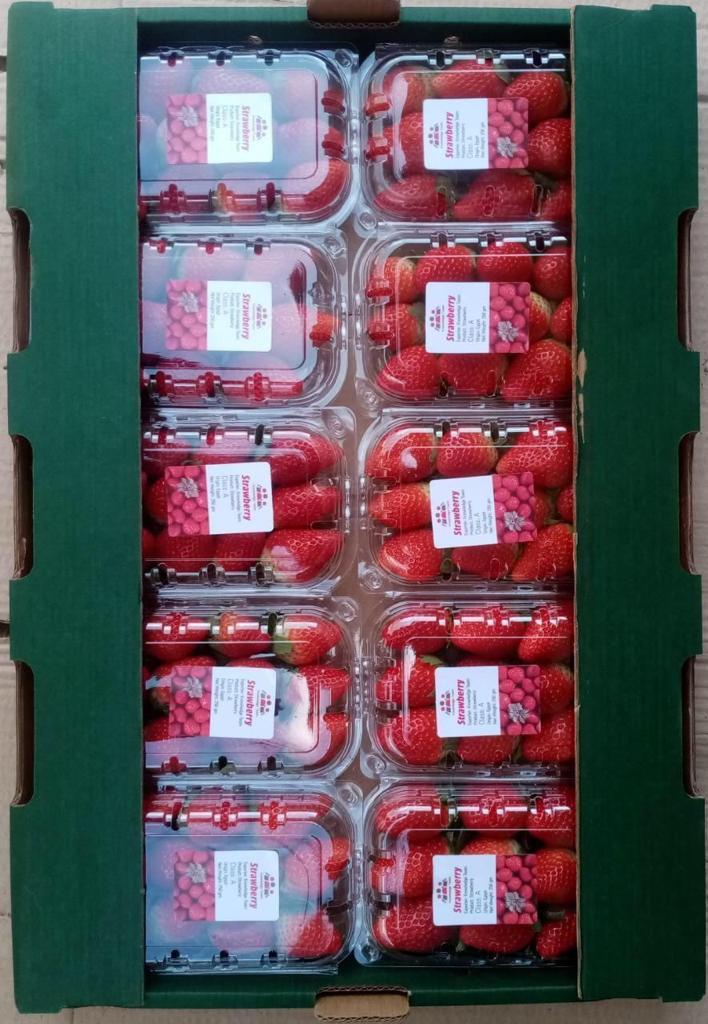
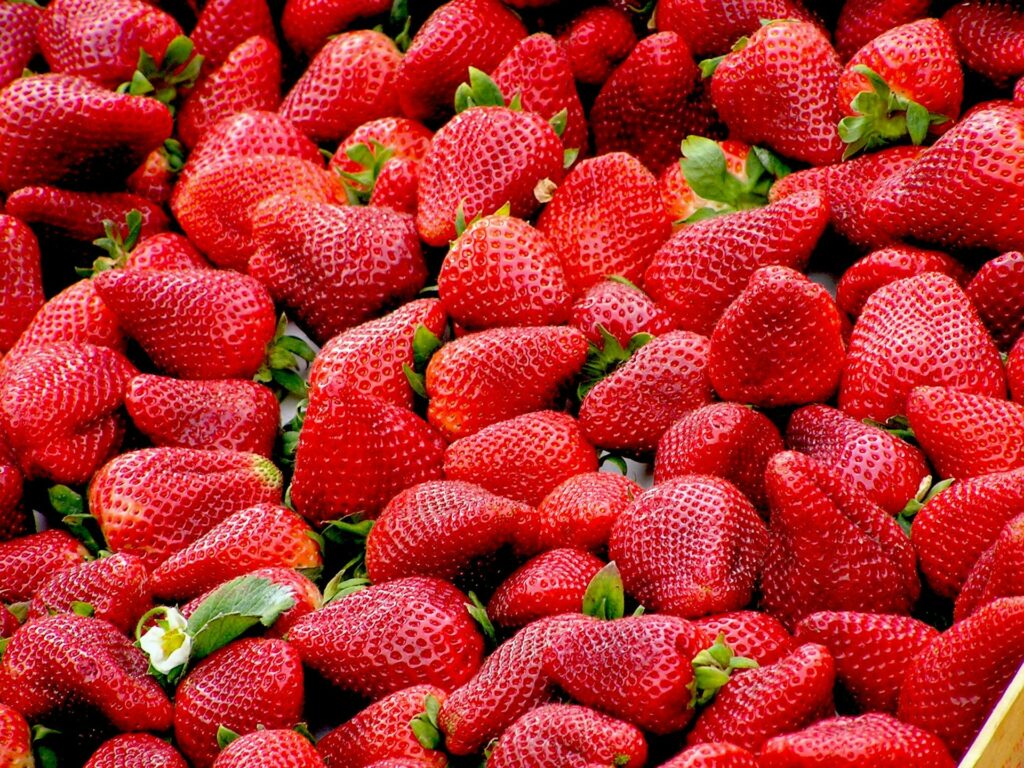
Specifications:
Egyptian strawberries are characterized by their size, typically ranging from 15 to 25 mm in diameter, and their vibrant bright red color. They have a firm and juicy texture, making them ideal for export. The strawberries are packaged in cartons of 250g, 500g, or 1kg.
Varieties:
Common varieties include Festival, Fortuna, and Camarosa, all known for their sweetness and firmness.
Harvest Season:
The harvest season for these strawberries runs from November to April.
Nutritional Value:
In terms of nutritional value, Egyptian strawberries are low in calories, containing approximately 32 kcal per 100g. They are an excellent source of vitamin C, providing about 58.8 mg, which accounts for around 70% of the recommended daily intake. Additionally, they contain 2 g of fiber, 7.7 g of carbohydrates, 4.9 g of sugar, and 0.7 g of protein
Egyptian Grapes
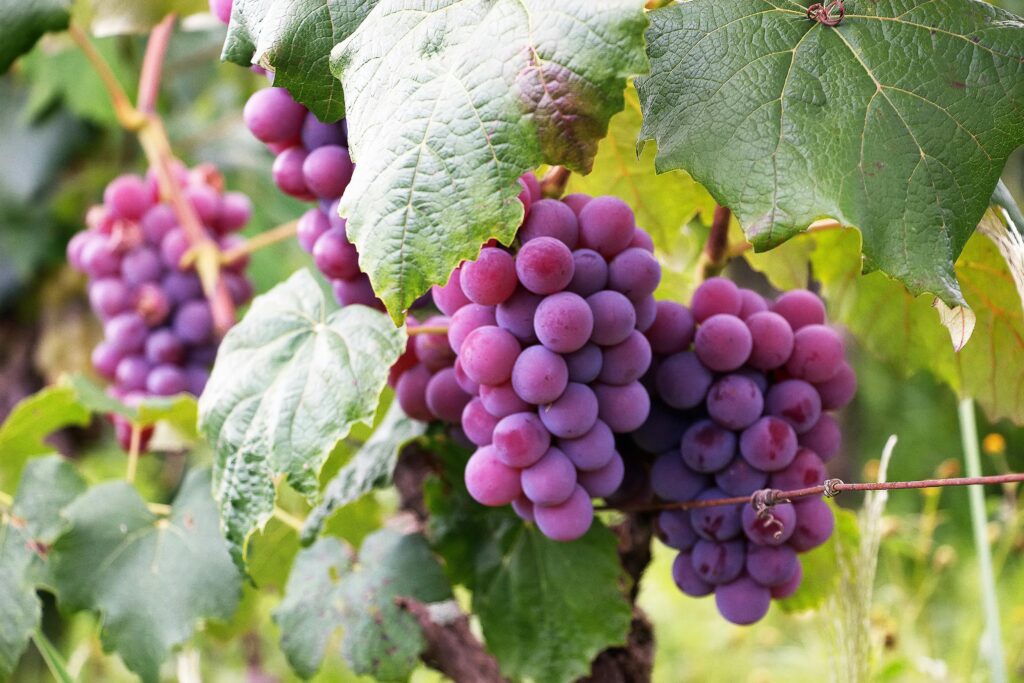
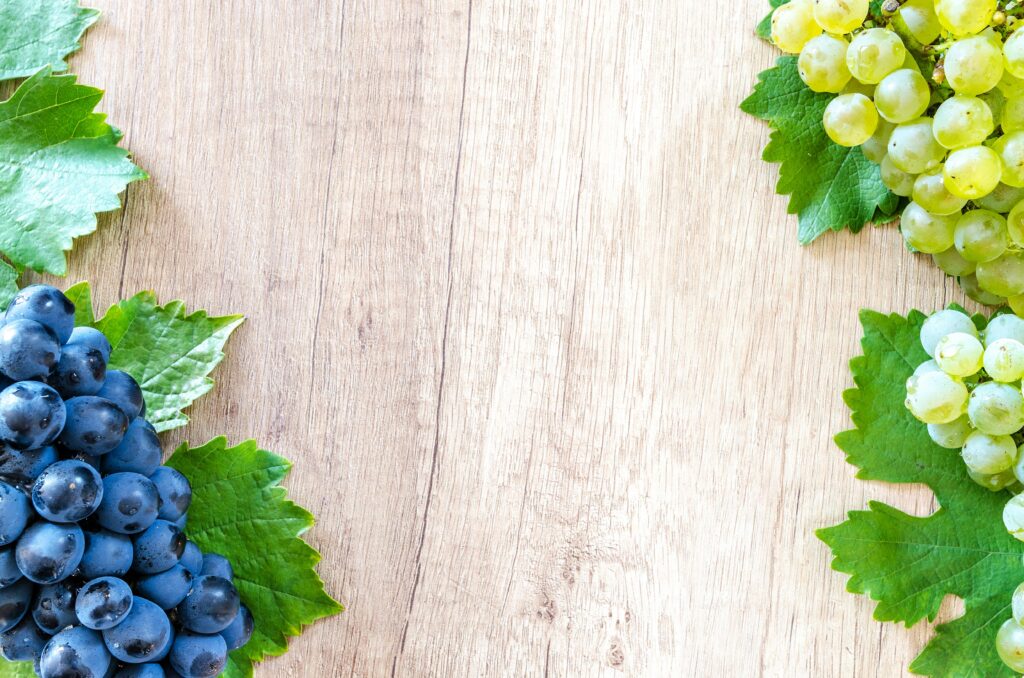
Specifications:
Egyptian grapes are known for their large size and sweet flavor, with varieties typically measuring between 18 to 25 mm in diameter. They come in a range of colors, including green, red, and black, and have a firm texture that makes them ideal for both fresh consumption and export. Grapes are usually packed in 500g or 1kg cartons.
Varieties:
Common varieties for export include Thompson Seedless (green), Red Globe (red), and Black Corinth (black), all renowned for their sweetness and juiciness.
Harvest Season:
The harvest season for Egyptian grapes typically runs from June to September, allowing for fresh produce during the summer months.
Nutritional Value:
Egyptian grapes are low in calories, containing about 69 kcal per 100g. They are a good source of vitamin C, providing approximately 10.8 mg, which is about 12% of the recommended daily intake. Additionally, they contain 0.9 g of protein, 0.2 g of fat, 18 g of carbohydrates, 0.9 g of fiber, and natural sugars, making them a nutritious snack option.
Egyptian Mango
Specifications:
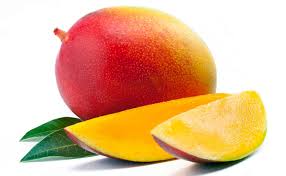
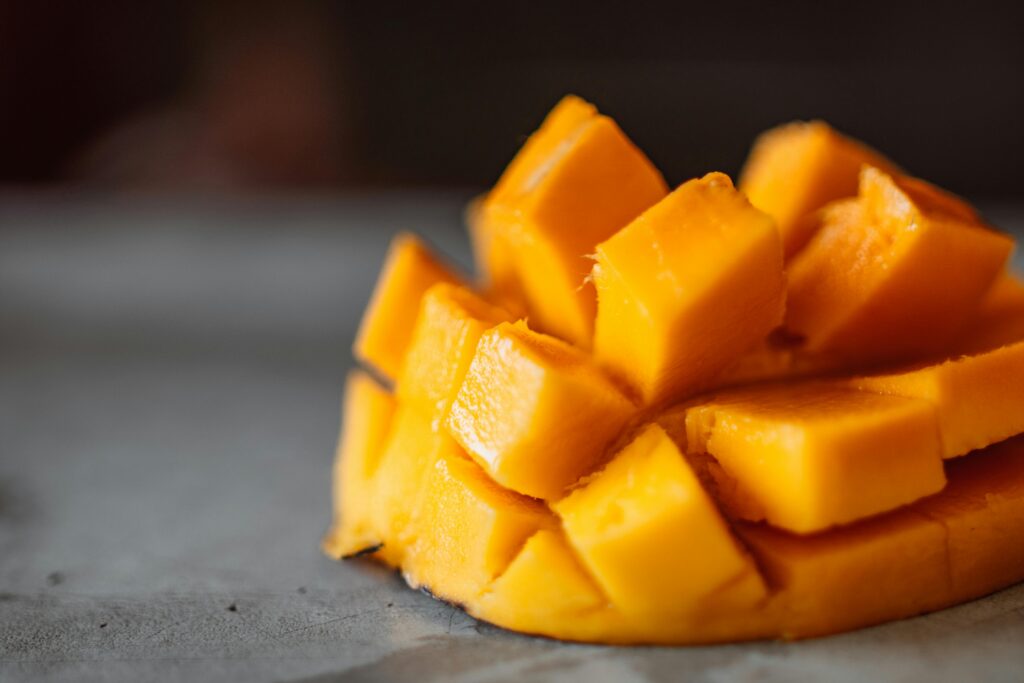
Egyptian mangoes are celebrated for their vibrant color and sweet flavor. They typically range in size from 200 to 500 grams each, depending on the variety. The skin color varies from green to yellow and orange when ripe, and they have a smooth, juicy flesh. Mangoes are commonly packed in 3 kg or 5 kg cartons for export.
Varieties:
Popular varieties for export include Kent, Alphonso, and Haden, known for their exceptional sweetness, rich aroma, and smooth texture.
Harvest Season:
The harvest season for Egyptian mangoes usually occurs from May to September, ensuring a steady supply of fresh mangoes during the summer months.
Nutritional Value:
Egyptian mangoes are nutrient-dense, containing approximately 60 kcal per 100g. They are an excellent source of vitamin C, providing about 36 mg, which is about 40% of the recommended daily intake. Additionally, they contain 0.4 g of protein, 0.2 g of fat, 15 g of carbohydrates, 1.6 g of fiber, and natural sugars, making them a delicious and healthy choice.
Egyptian Figs
Specifications:
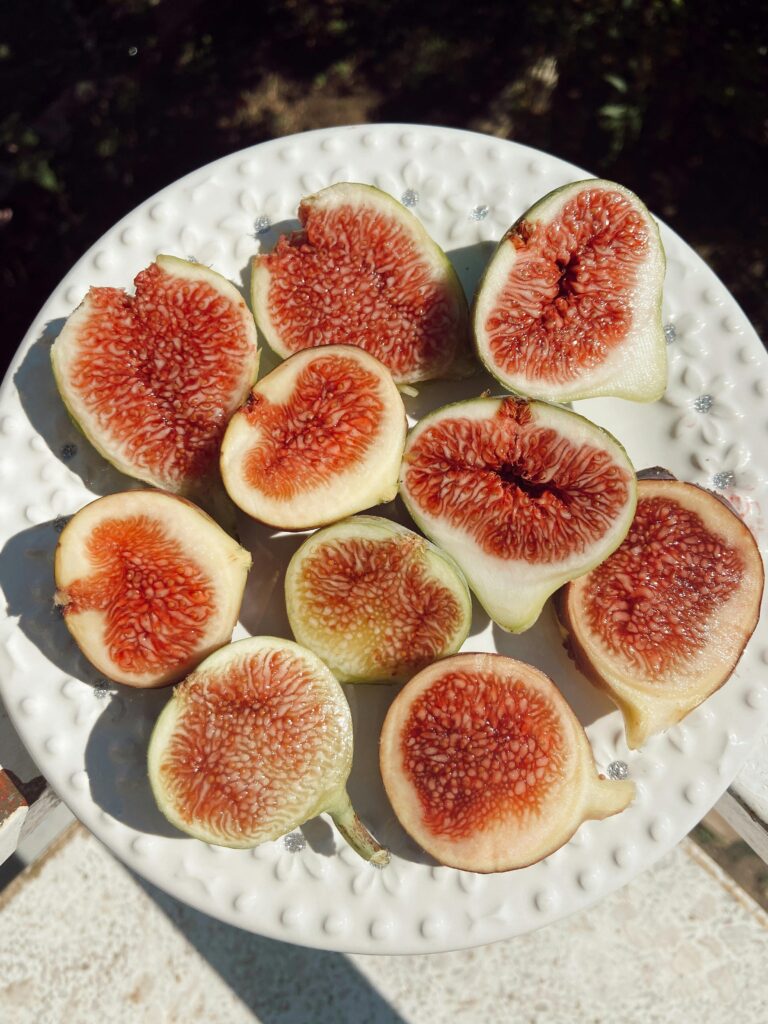
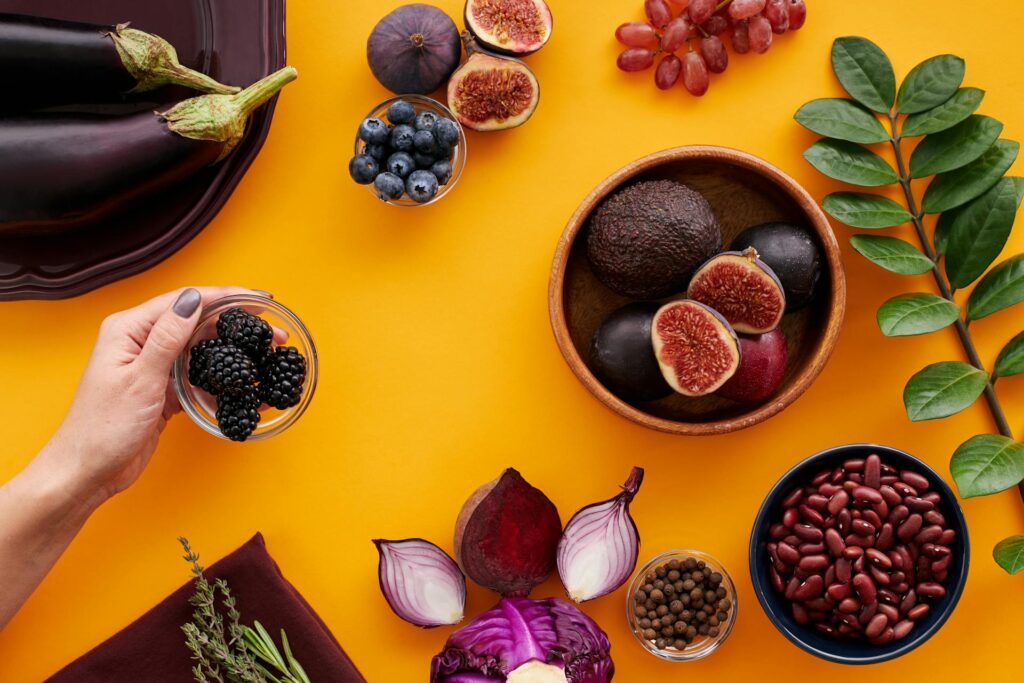
Egyptian figs are known for their sweet flavor and soft texture. They typically range in size from 50 to 100 grams each. The fruit can vary in color, including green, purple, and brown, and has a smooth skin with a sweet, juicy flesh. Figs are usually packed in 250g or 500g cartons for export.
Varieties:
Common varieties for export include Smyrna, Kadota, and Brown Turkey, all appreciated for their rich taste and natural sweetness.
Harvest Season:
The harvest season for Egyptian figs typically runs from June to September, providing fresh fruit during the summer months.
Nutritional Value:
Egyptian figs are nutrient-rich, containing approximately 74 kcal per 100g. They are a good source of dietary fiber, with about 3 g per serving, and provide 0.75 g of protein, 0.3 g of fat, 19 g of carbohydrates, and 16 g of natural sugars. They are also rich in vitamins and minerals, including vitamin B6 and potassium, making them a healthy addition to any diet.
Egyptian Cantaloupes
Specifications:
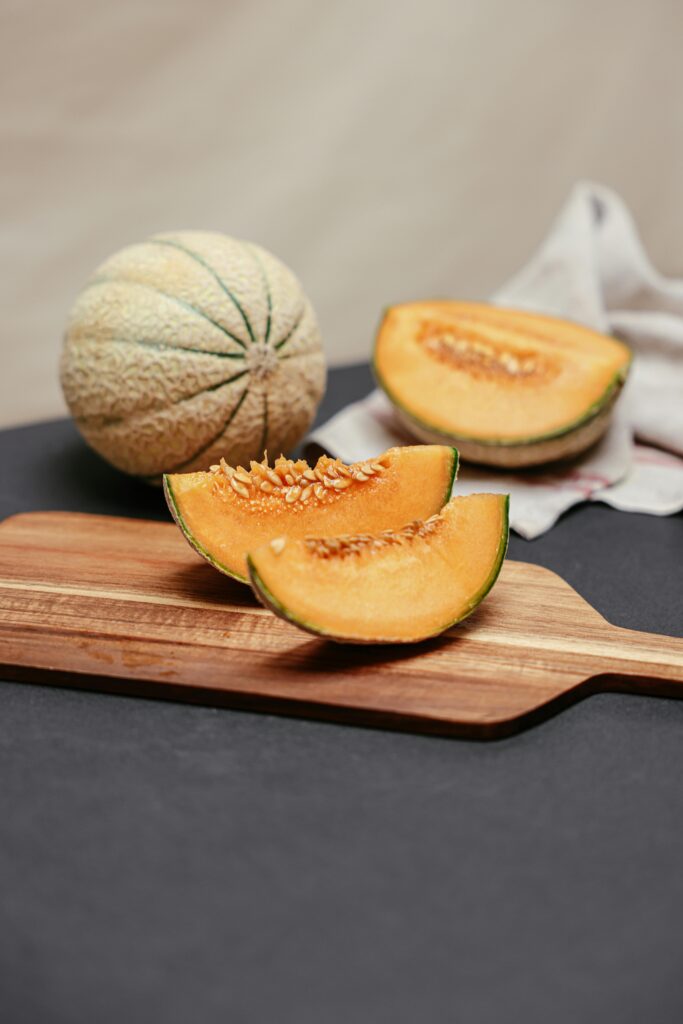
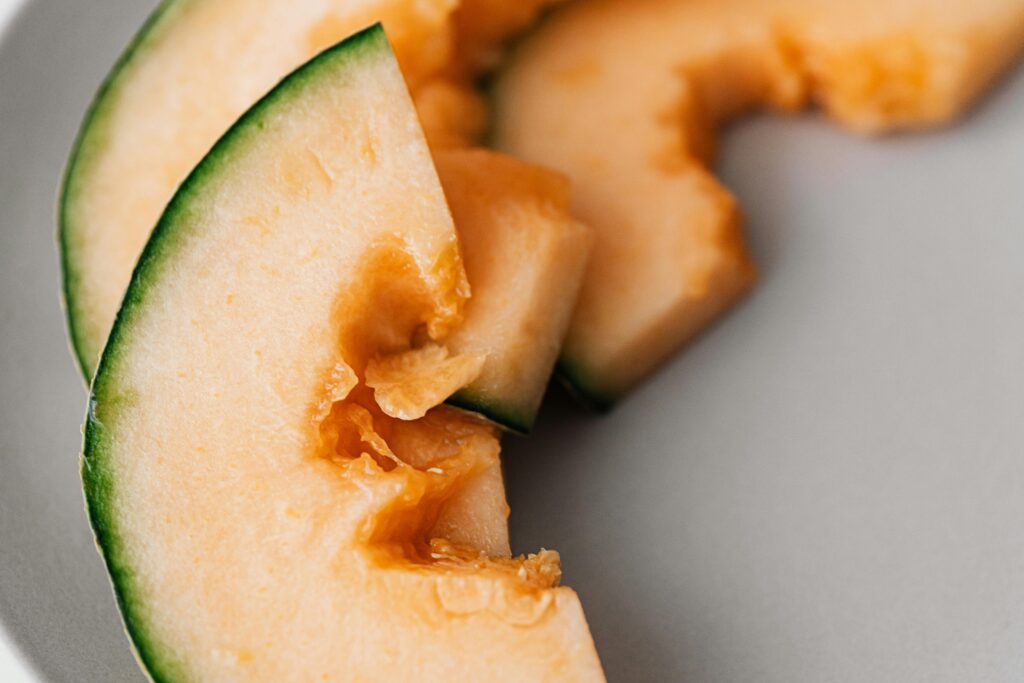
Egyptian cantaloupes are renowned for their sweet flavor and juicy texture. They typically weigh between 1 to 2 kg each and have a netted, tan skin with orange flesh. The melons are usually packed in 5 kg cartons for export.
Varieties:
Common varieties for export include Galia and Charentais, both celebrated for their sweetness and aromatic qualities.
Harvest Season:
The harvest season for Egyptian cantaloupes usually runs from May to September, ensuring a supply of fresh melons during the warm months.
Nutritional Value:
Egyptian cantaloupes are low in calories, containing approximately 34 kcal per 100g. They are an excellent source of vitamin C, providing about 36 mg, which is around 40% of the recommended daily intake. Additionally, they contain 0.8 g of protein, 0.2 g of fat, 8 g of carbohydrates, and 0.9 g of fiber. Cantaloupes are also hydrating, as they consist of about 90% water, making them a refreshing and healthy snack option.
Egyptian Pomegranates
Specifications:
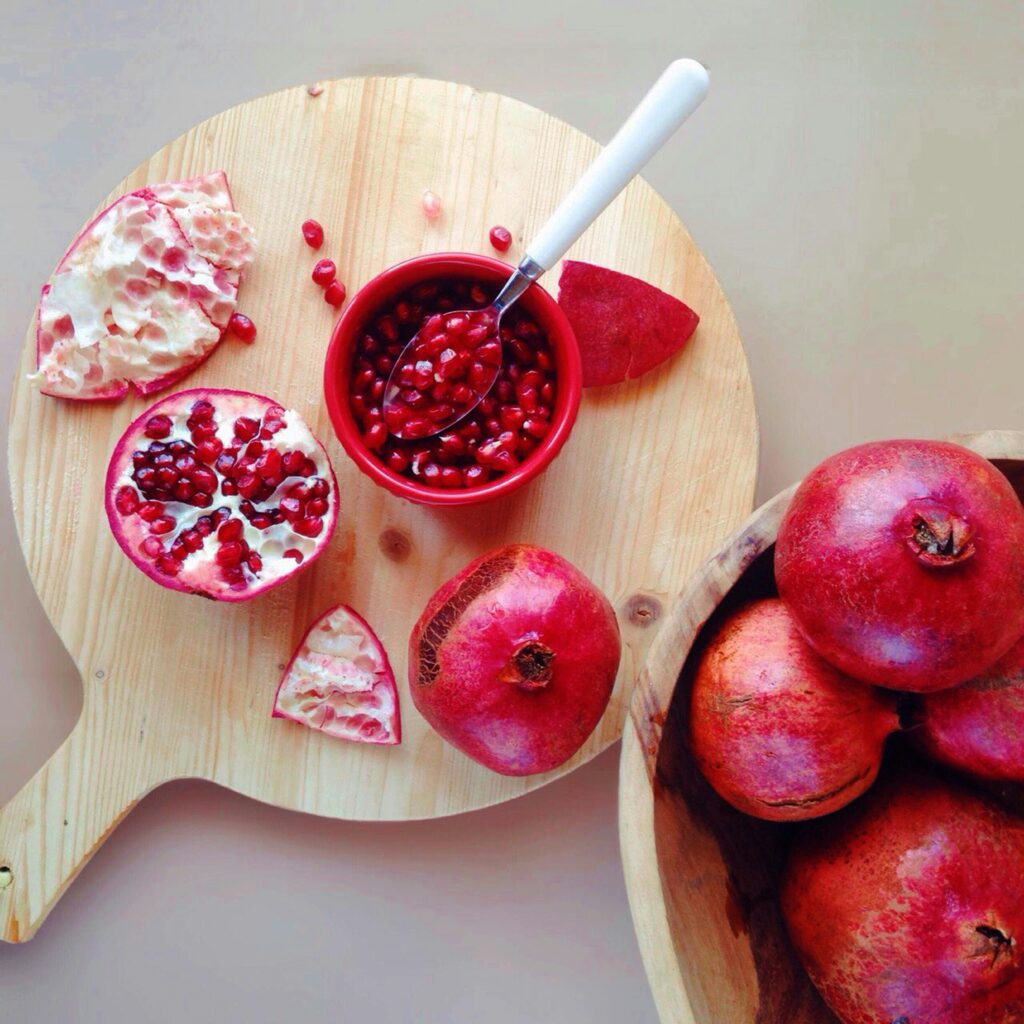
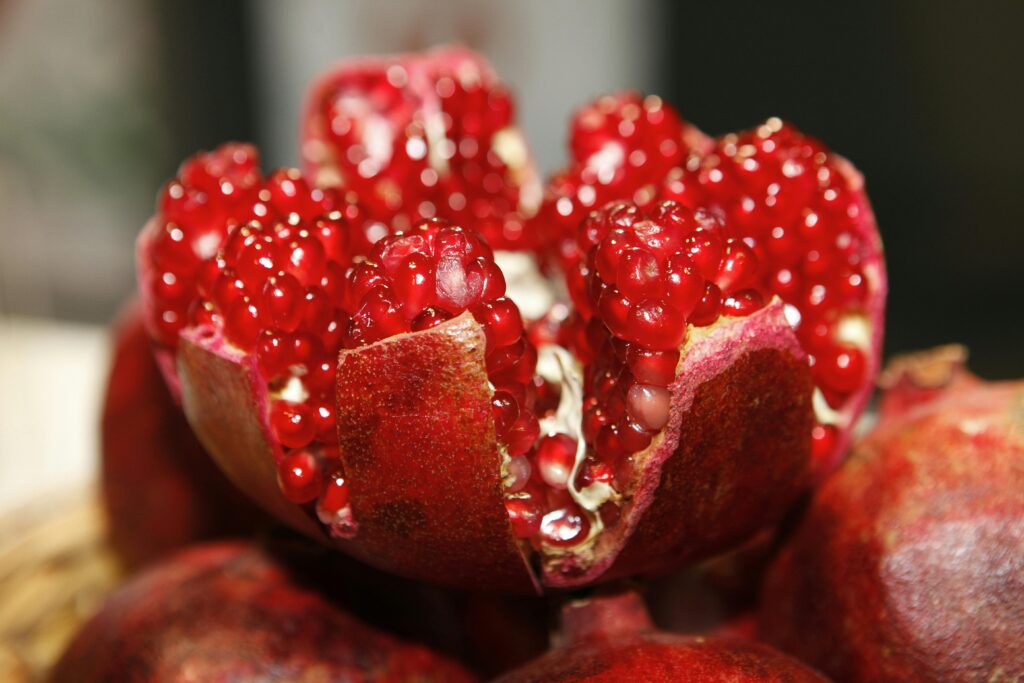
Egyptian pomegranates are prized for their juicy seeds and vibrant color. They typically weigh between 250 to 500 grams each, with a thick, leathery skin that ranges from deep red to light pink. The fruit is often packed in 1 kg or 2 kg cartons for export.
Varieties:
Common varieties for export include Wonderful and Angel Red, known for their sweet-tart flavor and high juice content.
Harvest Season:
The harvest season for Egyptian pomegranates usually occurs from September to November, providing fresh fruit in the fall months.
Nutritional Value:
Egyptian pomegranates are nutrient-dense, containing approximately 83 kcal per 100g. They are an excellent source of vitamin C, providing about 10.2 mg, which is around 12% of the recommended daily intake. Additionally, they contain 1.7 g of protein, 1.2 g of fat, 18.7 g of carbohydrates, and 4 g of fiber. Pomegranates are also rich in antioxidants, making them a healthful addition to any diet.
Egyptian Oranges
Specifications:
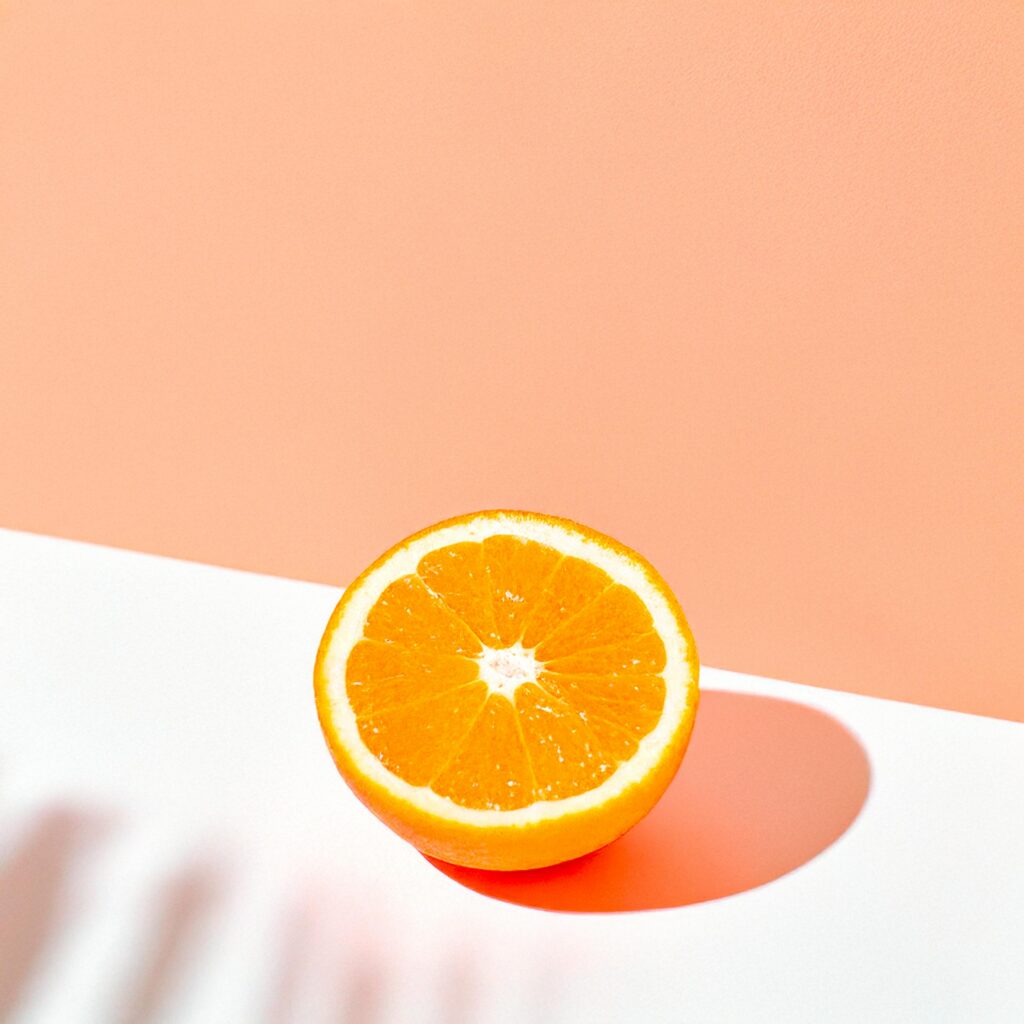
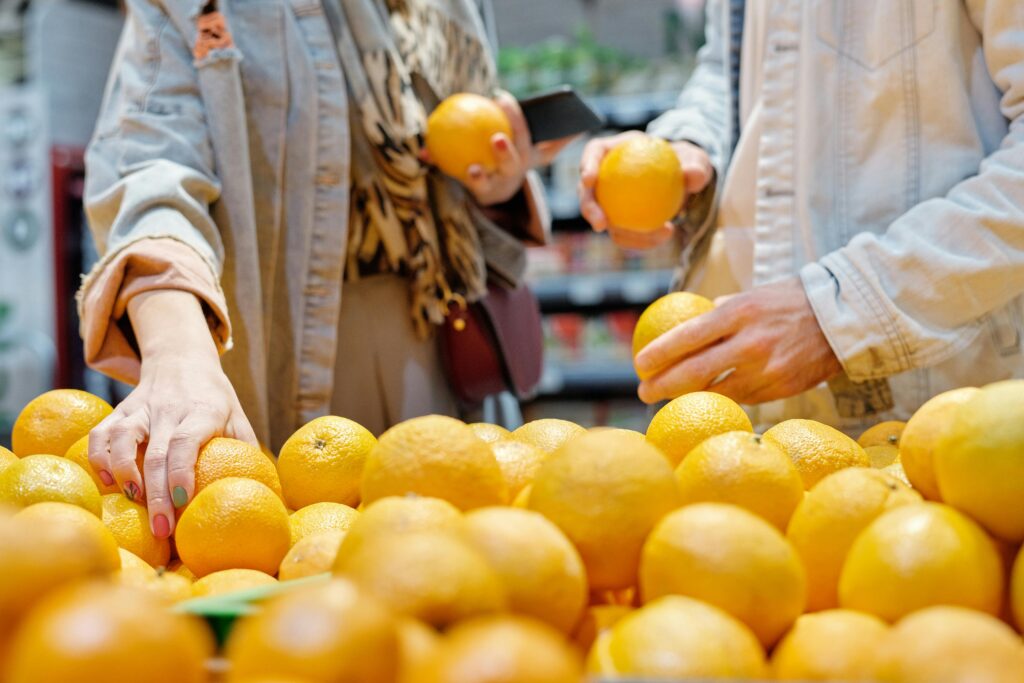
Egyptian oranges are known for their juicy flesh and refreshing taste. They typically range in size from 150 to 300 grams each, with a bright orange skin that is smooth and slightly dimpled. Oranges are usually packed in 5 kg or 10 kg cartons for export.
Varieties:
Common varieties for export include Valencia and Navel, both recognized for their sweetness and high juice content.
Harvest Season:
The harvest season for Egyptian oranges generally runs from November to April, ensuring a supply of fresh fruit during the winter months.
Nutritional Value:
Egyptian oranges are low in calories, containing approximately 47 kcal per 100g. They are an excellent source of vitamin C, providing about 53.2 mg, which accounts for around 60% of the recommended daily intake. Additionally, they contain 0.9 g of protein, 0.1 g of fat, 11.8 g of carbohydrates, and 2.4 g of fiber. Oranges are also hydrating, with a water content of about 86%, making them a healthy and refreshing snack option.